Dog behaviorist for reactive dogs

Does your dog bark, growl or lunge on the leash the moment he spots another dog, a stranger or a bike? This is not aggression, and it is not a bad temperament. Reactivity is a behavior problem that can be understood, worked on and improved.
I come to your home in Walloon Brabant and Brussels, and work online everywhere else.

Recognizing the signs of reactivity

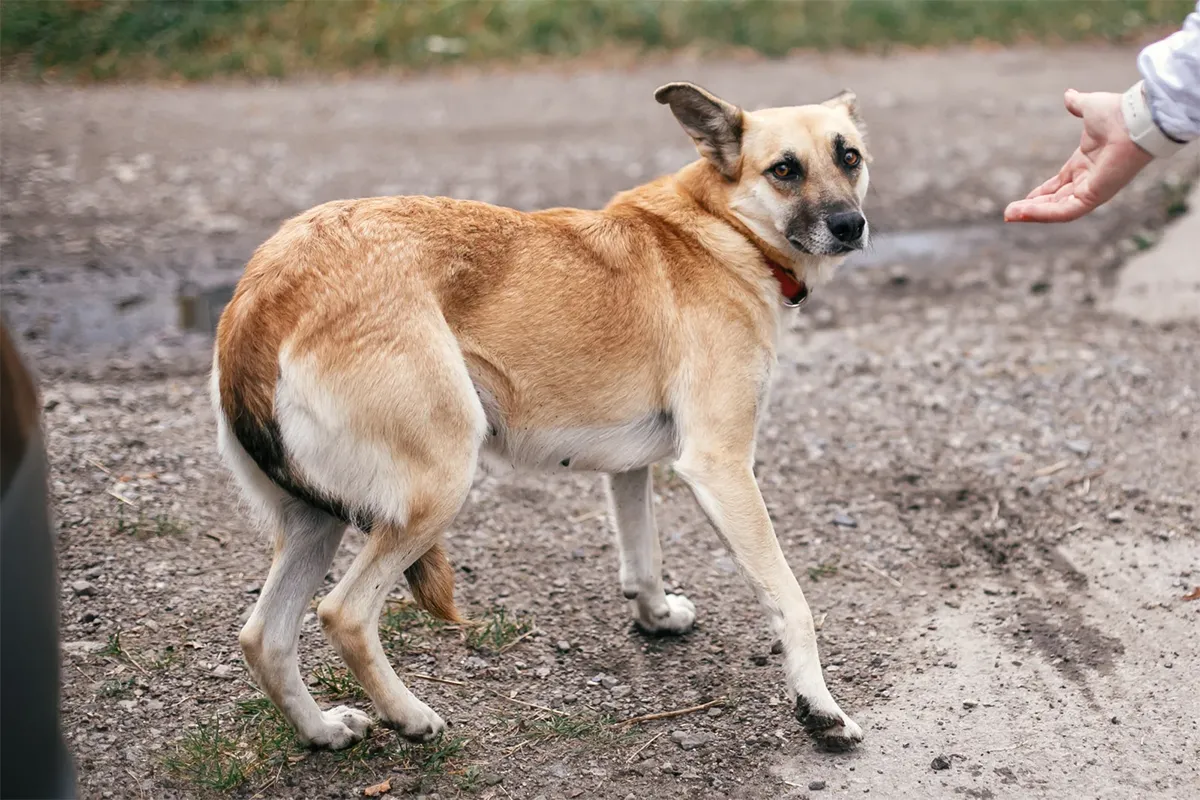
A reactive dog is not trying to dominate you or harm you: he reacts because he is afraid, because he is frustrated, or because the stimuli around him exceed his threshold. Reactivity shows up very differently from one dog to another. Some dogs explode loudly, others freeze, others try to flee. Here are the most common forms.

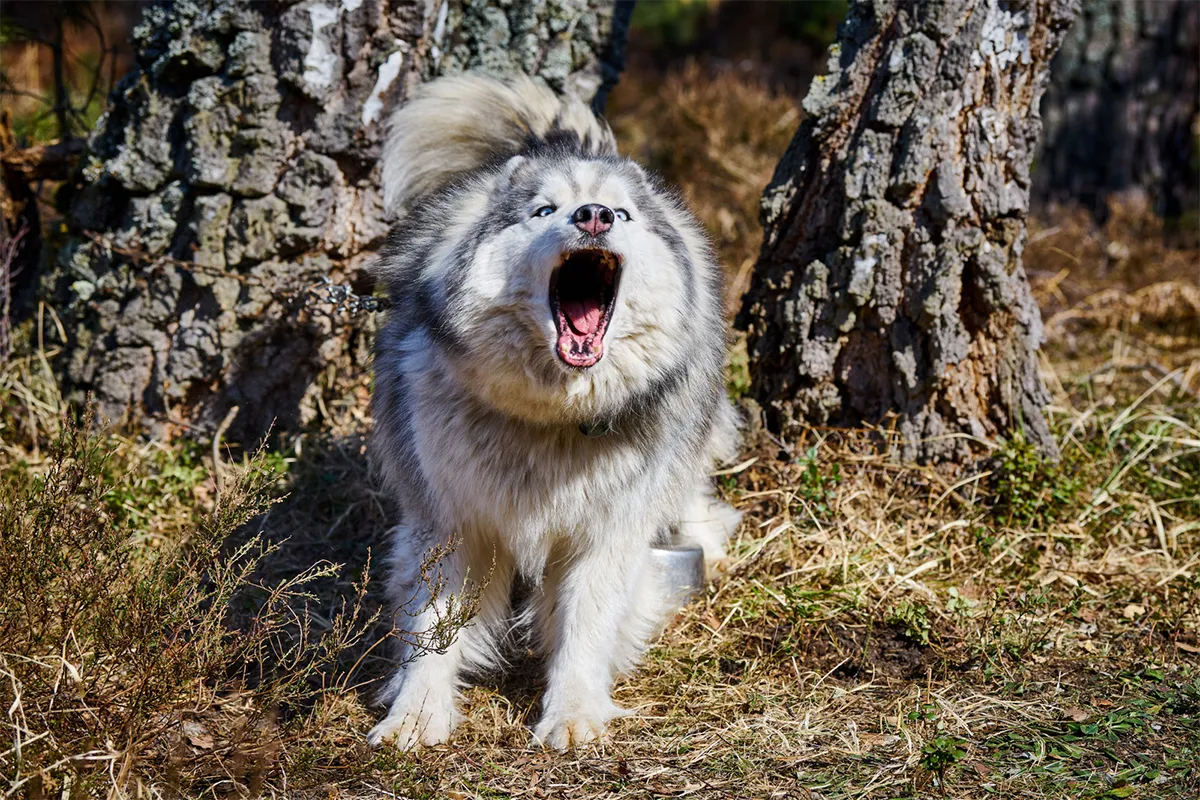
Barking and growling at stimuli

Your dog barks intensely, growls or charges the moment he perceives a trigger: another dog, a stranger, a child, a bike, a sudden noise. The reaction may seem to come out of nowhere, but it always follows a signal your dog picked up before you did.

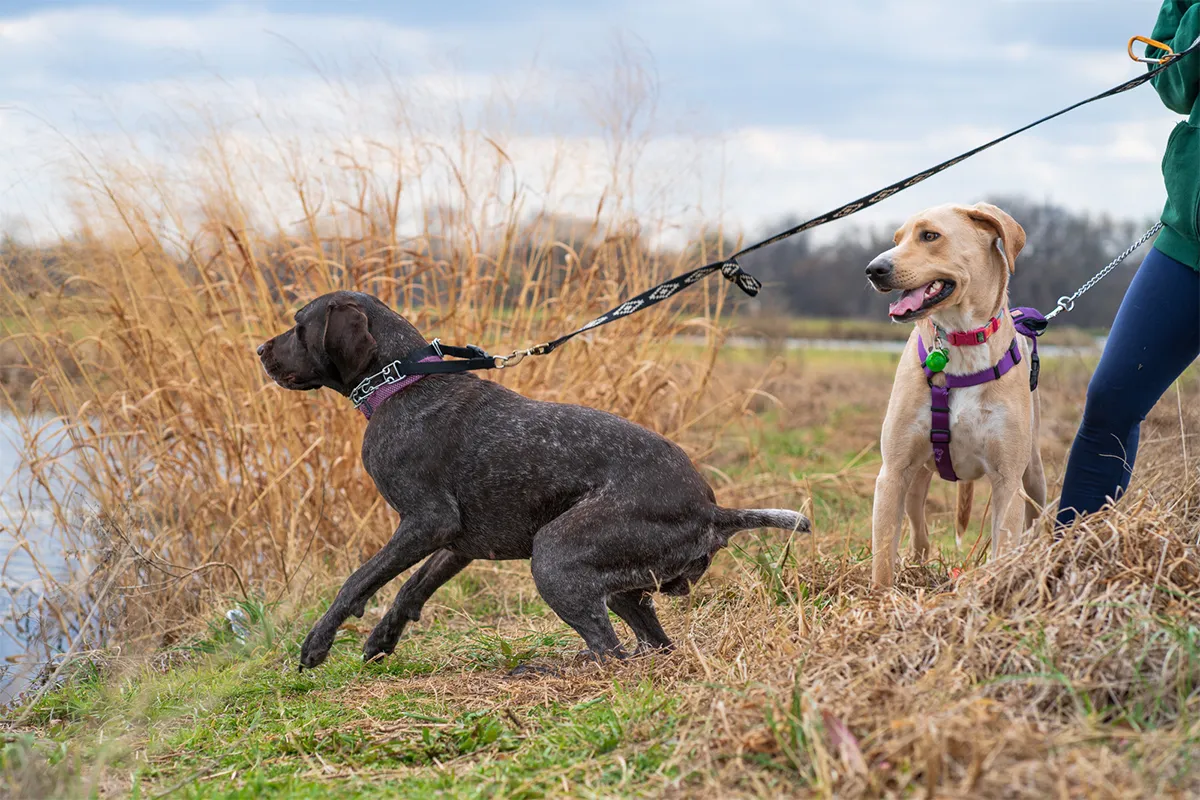
Reactions on the leash

The dog pulls violently, rears up or tries to escape. The leash often amplifies the reaction: it prevents him from fleeing or approaching, which increases his frustration or his feeling of being trapped. Walks that should be enjoyable become exhausting for both of you.

Reactivity at home or in the garden

Barking at outside noises, reacting to passers-by through the window, agitation at the slightest stimulus in the garden: reactivity is not limited to walks. Some dogs are on permanent alert in their own space.
Contact me

How does the support work?

Every case starts at your place, where the behavior actually occurs. I observe your dog in his environment, identify his triggers and build a protocol suited to his profile and your daily life. My experience with hundreds of dogs has taught me that there is no universal solution: every dog has his own history, his own emotions, his own thresholds.
01

First contact
Free

We talk by phone or in writing. You describe the situations that trigger your dog's reactions, his history and his living environment. No commitment.
02

Behavior assessment
€95

I come to your home or to the place where your dog shows reactivity. I observe your dog in his environment, identify the triggers and analyze what is going on between you. Concrete advice you can apply that very evening.
03

Personalized management and training plan
€65
(optional but very useful!)

A tailor-made protocol, adapted to your dog's profile and your pace of life. Gradual desensitization and counter-conditioning are at the heart of the work. But other exercises drawn from what we now know about canine neurology will also be applied. Every exercise is explained and justified, so that you can learn to read your dog and gain confidence day by day.
04

Follow-up
Complimentary

A 15-minute call is offered within two weeks of the consultation.

Common causes of reactivity

Reactivity does not come out of nowhere. It always has an origin, and identifying it is essential to choosing the right dog behavior management protocol.

Fear

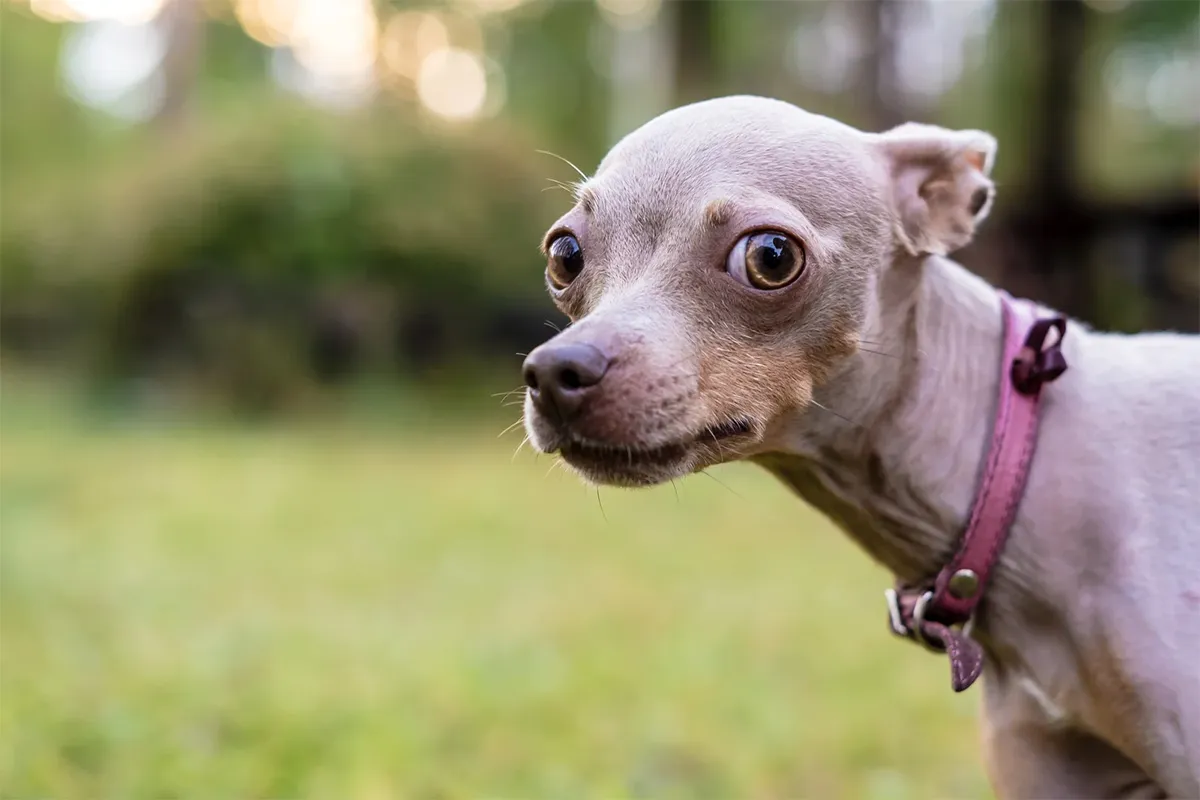
The dog has had a bad experience, was not sufficiently socialized during his sensitive period, or has a constitutional sensitivity. Faced with what frightens him, he reacts before you have time to step in. Apparent aggression most often hides real fear.

Frustration

The dog would like to interact, but the leash prevents him. This tension creates a frustration that explodes as soon as the stimulus appears. It is particularly common in very sociable dogs who pull excitedly towards other dogs.

Lack of socialization

A dog with little exposure to varied environments during his exploratory period (roughly the first 12 weeks) perceives the world as unpredictable. Every unfamiliar stimulus can become a source of stress or wariness.

A low threshold

Some dogs go into reaction faster and find it harder to come back down. This is not a life sentence: it is a starting point for dog behaviorism.

FAQ: reactive dog

Managing a reactive dog on the leash rests on two principles: working below the reaction threshold and gradually changing the emotion associated with the stimulus. In practice, this involves desensitization exercises at a distance, redirection techniques and systematic positive reinforcement. These methods require consistency and patience, but the results last because they act on the cause, not the symptom.

Several reasons can explain this reaction: a bad past experience, a lack of socialization with other dogs, or leash-related frustration. In every case, the stress triggered by the situation exceeds what your dog can handle on his own. Identifying the exact source is the first step, and that is exactly what the behavior assessment at your place is for.

Yes, and that is precisely where they make the difference. Positive training does not suppress the visible symptom; it addresses the underlying emotion. A highly reactive dog has often been through negative experiences that reinforced his wariness. Working with kindness, without punishment or coercion, allows him to rebuild his confidence gradually and learn new behaviors that last.

A reactive dog overreacts to a stimulus, often out of fear or frustration. Canine aggression involves an intent to injure, which is far rarer. Most dogs labeled "aggressive" are in fact reactive dogs whose warning signs were not read or respected. The distinction is essential to choosing the right support.

The goal is not necessarily total indifference, but teaching your dog to manage his emotions around his triggers. With an appropriate protocol, most reactive dogs manage to stay below their reaction threshold in situations that used to make them explode. It is a real transformation of everyday life, for you and for him.

Mild to moderate reactivity improves in 2 to 4 sessions. More entrenched cases, or those linked to deep anxiety, require longer follow-up. I give you a realistic estimate during the behavior assessment.

I work in person in Walloon Brabant, Brussels and the neighboring municipalities: Waterloo, Braine-l'Alleud, Ohain, Rhode-Saint-Genèse, Auderghem, Woluwe-Saint-Pierre. Online sessions are available everywhere.

What a reactive dog needs is distance and gradual habituation. In a group class, a reactive dog is exposed to stimuli that are too intense, too fast, which often makes the reactions worse instead of calming them. I strongly advise against group classes for reactive dogs.

With The Dog Nanny Academy, support is one-to-one, at your place, in the real-life setting of the problem, and progress is tailor-made.

When should you consult?

See a dog behaviorist if your dog's reactions are getting worse, if they put your dog or those around you in danger, or if despite your efforts no improvement has been visible for 2 to 3 weeks. A prior veterinary check-up is always recommended to rule out a medical cause or underlying pain.
Your dog reacts.
Let's understand why, together.
arrow-upplus-circle