Dog behaviorist for aggressive dogs

Does your dog growl, bare his teeth, or has he attacked a stranger, another dog or a member of your family? He is not a bad dog, and this is not a lost cause. Aggression in dogs is a defensive act aimed at ensuring survival. It has a cause, a logic and, in the vast majority of cases, a solution.
I come to your home in Walloon Brabant and Brussels, and work online in Belgium and everywhere else.

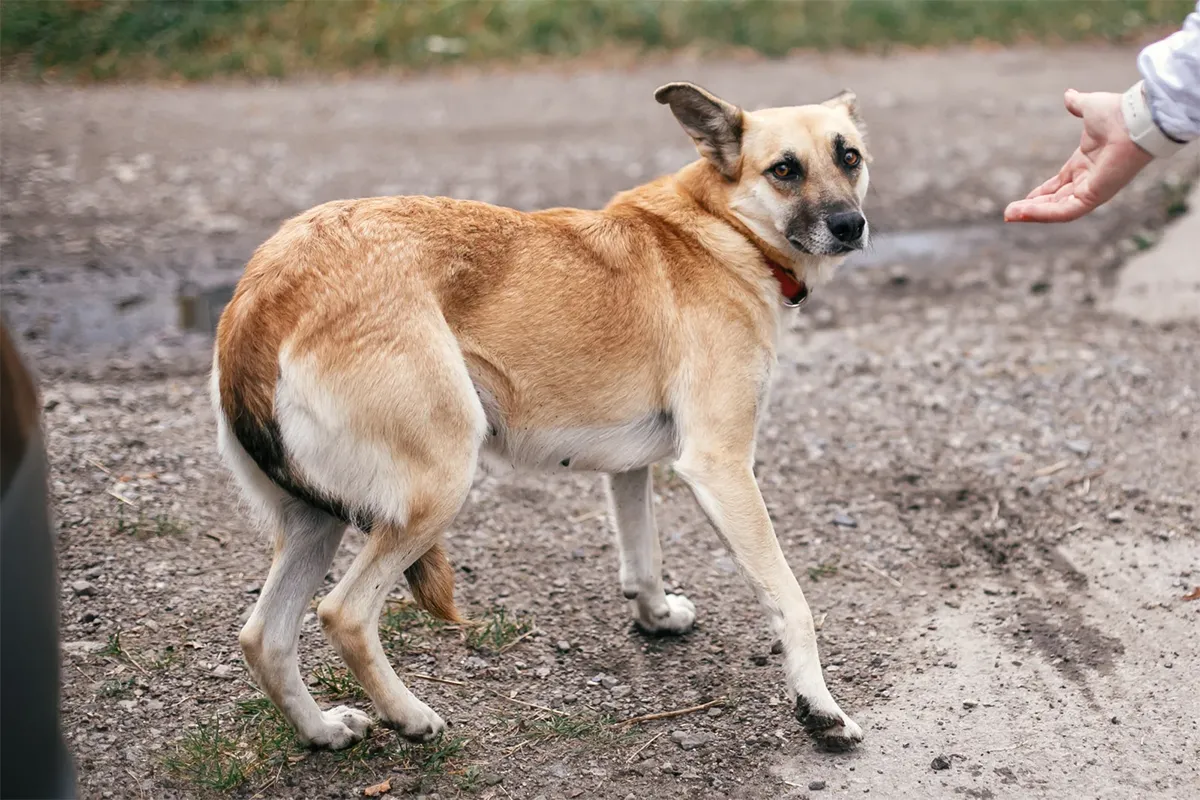
Recognizing the signs of an aggressive dog

An aggressive dog does not bite (unless he suffers from a mental illness, which is extremely rare in our part of the world) without first giving warning signals. The problem is that these signals are often misread or ignored. The bite seems to come out of nowhere, when in fact it was preceded by a series of clear signs. Here are the most common forms depending on the situation, as found on the ladder of aggression, without going into detail.

Body language

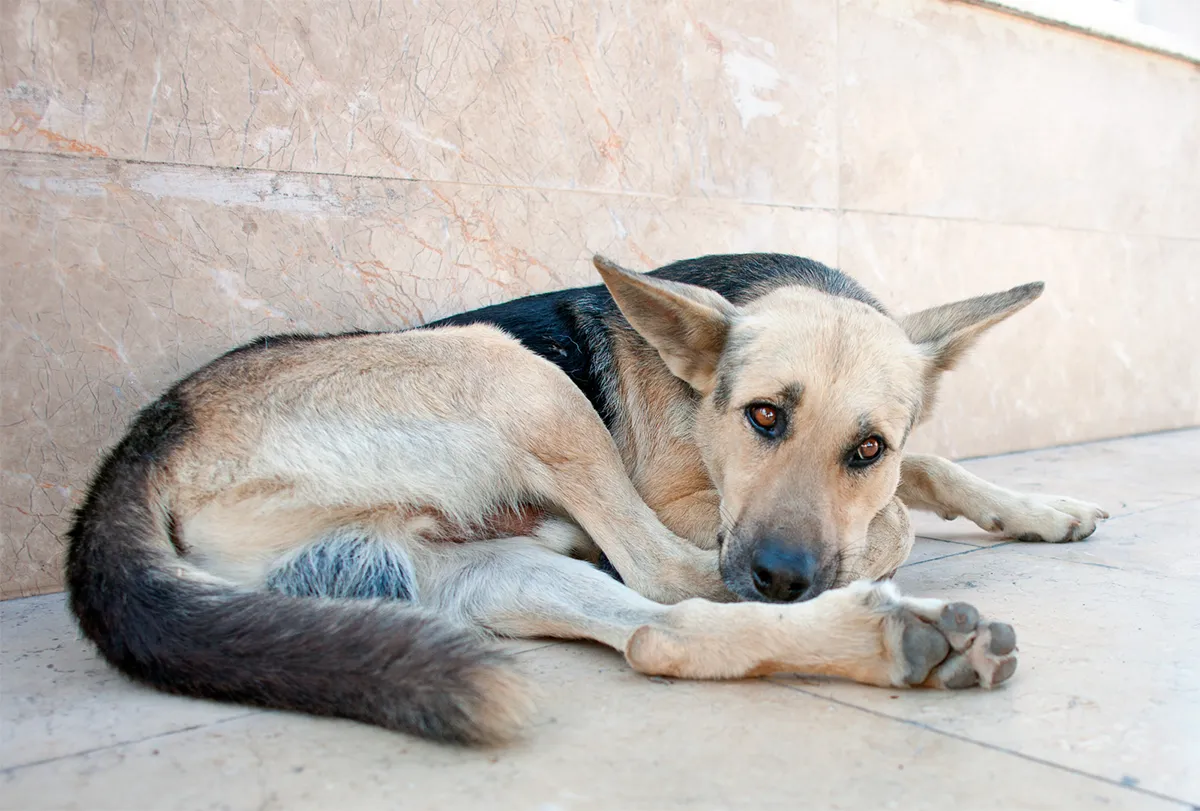
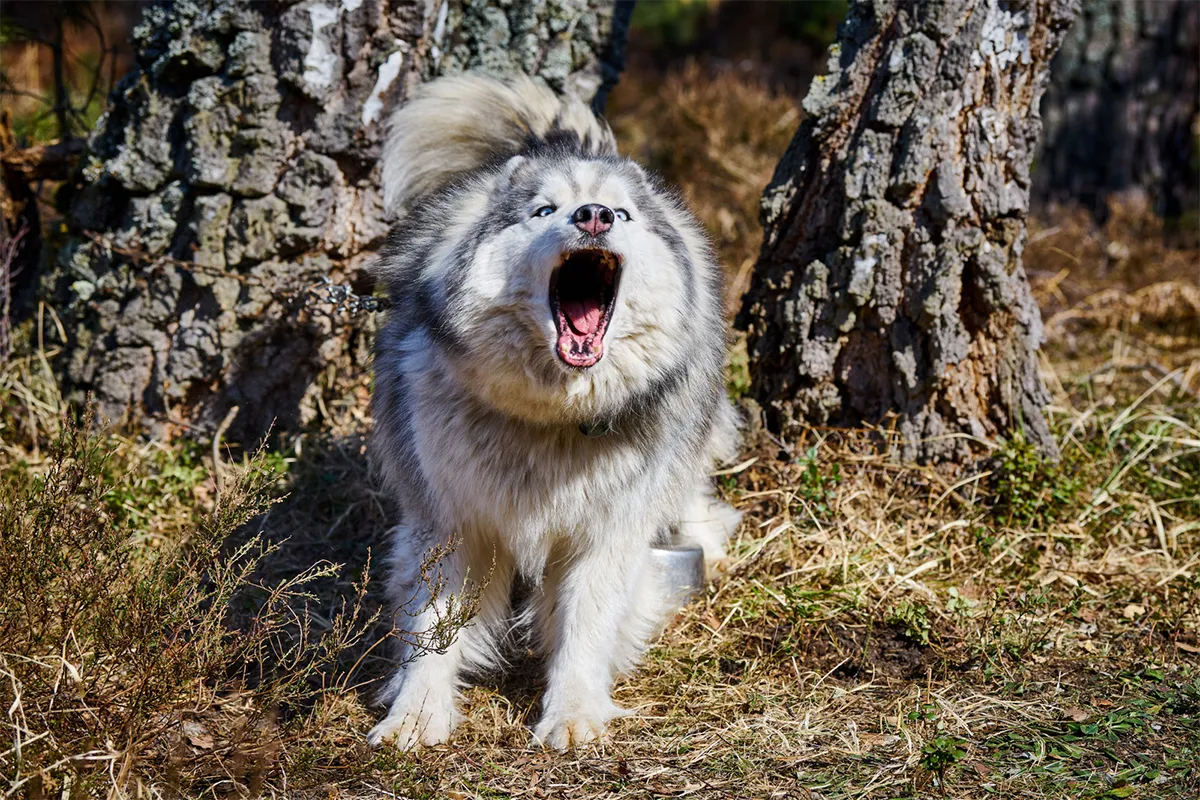
These signals often go unnoticed. The dog starts with subtle calming signals: low tail, crouched posture, averted gaze, lip licking, yawning, lying on his side. He then tries to move away, sniffs the ground, tail between his legs. Then he stares with a tense posture, bares his teeth, barks. The last resort is the growl, then the bite.
Punishing these signals is one of the most dangerous mistakes: the dog learns to suppress them, which makes the bite all the more unpredictable.

Aggression towards people

It can be directed at strangers, at children, or even at members of the household. Some dogs react in specific situations: when someone approaches their food bowl, during physical handling, or in their resting space. These reactions most often reflect fear, pain, resource guarding or an unresolved past experience.

Aggression towards other dogs

Does your dog lunge at other dogs on the leash, attack in the park, or struggle to live alongside another dog at home? This dog-to-dog aggression often stems from a lack of socialization during the puppy's sensitive period, a previous bad experience or reactivity that was poorly managed over time. It is also often due to the owner's attitude, fearing their dog will be attacked. They then pass their stress on to the dog, or behave in a way the dog finds strange.
Contact me

How does the support work?

Every case starts at your place, where the problems actually occur. I observe your dog in his environment, identify the triggers and build a protocol suited to his profile, his history and your daily life. There is no universal solution: every dog has his own causes, thresholds and emotions.
01

First contact
Free

We talk by phone or in writing. You describe the situations that trigger your dog's reactions, his history and his living environment. No commitment.
02

Behavior assessment
€95

I come to your home. I observe your dog in his environment, identify the triggers and assess the extent and nature of the aggression. Concrete advice you can apply that very evening.
03

Personalized management and training plan
€65
(optional but very useful!)

A tailor-made protocol, adapted to your dog's profile and your pace of life. While counter-conditioning and desensitization can work in mild cases, other methods based on neuroscience will be put in place. Every exercise is explained and justified, so that you can learn to read your dog and gain confidence day by day.
04

Follow-up
Complimentary

A 15-minute call is offered within two weeks of the consultation.

Common causes of dog aggression

Aggression never comes out of nowhere. It always has an origin, and identifying it is the first step of effective behavior modification. Here are the most frequent causes I encounter in my work as a dog behaviorist.

Fear

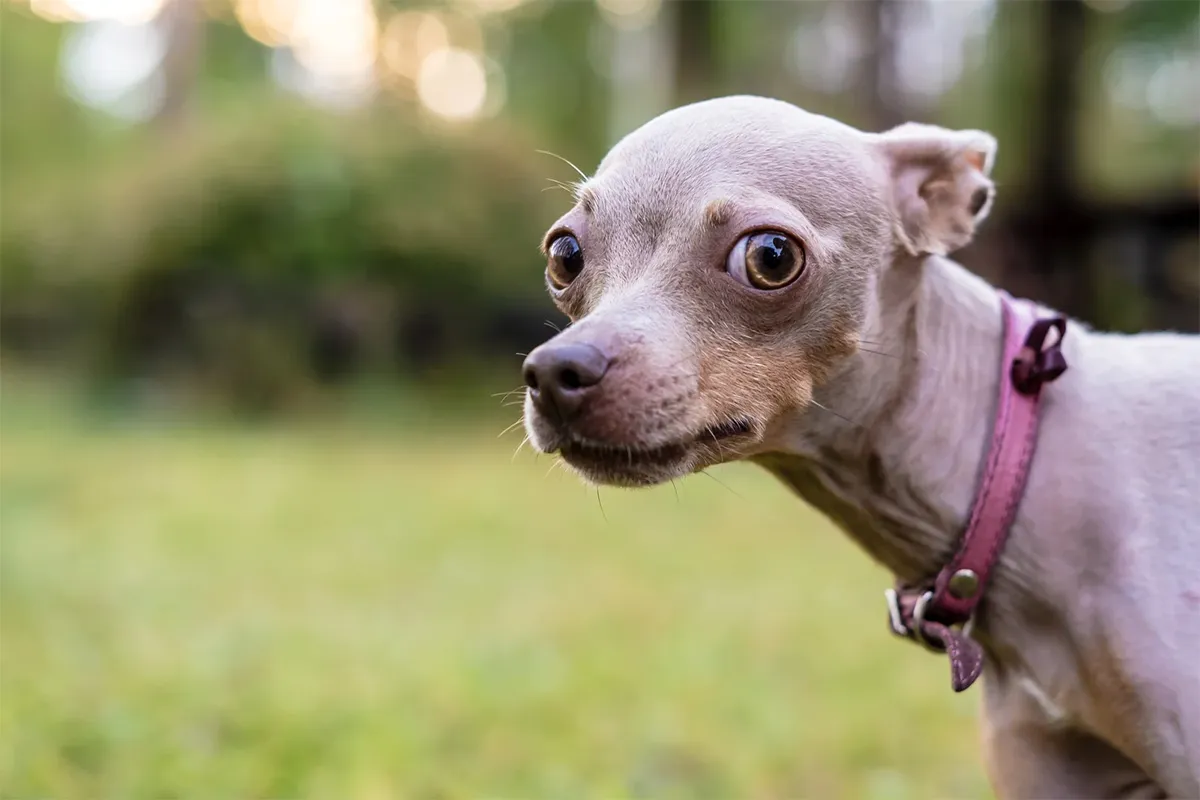
The vast majority of dogs who bite are in fact frightened animals. Faced with a perceived threat (a person, another dog, an unfamiliar situation), they choose attack as a defensive strategy. Fear-based aggression is the most widespread form, and it responds very well to an appropriate protocol.

Pain or a health problem

A dog in pain can suddenly become aggressive, sometimes without any prior warning sign. Chronic pain (osteoarthritis, dental problems, injury), a hormonal imbalance or a neurological condition can profoundly alter an animal's behavior. A veterinary check-up is systematically recommended before any support begins.

Lack of socialization

The less a puppy is exposed to people, other dogs and varied environments during his socialization period (generally the first 12 weeks), the more difficulty he will have handling new situations as an adult. This socialization deficit can translate into aggressive reactions to whatever he perceives as an unknown threat.

Anxiety and chronic stress

A dog in a permanent state of stress has a very low threshold. The slightest upset can trigger a disproportionate reaction. Aggression and anxiety are often linked: an anxious dog who has not learned to manage his emotions can become aggressive once his inner resources are depleted.

Learning and past experiences

Some dogs have learned that growling makes people or dogs back off: they will use this behavior more and more. It is also a principle of conditioning: “I act threatening, I get left alone.” From then on, the dog keeps behaving this way because it works.
Traumatic experiences, mistreatment or training based on punishment can entrench lasting aggressive reactions. This is precisely where a so-called “positive” dog behavior professional makes the difference.

FAQ: aggressive dog

A sudden change is often a sign of pain or a health problem. Osteoarthritis, dental problems, hormonal disorders, various sources of pain: a medical cause must be ruled out first through a veterinary check-up. If no physical cause is found, a recent stressor (moving house, a new dog in the home, a change in routine) may be behind the problem.

In the vast majority of cases, yes. Rehabilitation is possible and effective, provided the cause of the aggression is correctly identified and the work is done with appropriate, kind methods. Results depend on the type of aggression, how long it has been going on, and the owners' day-to-day involvement. Some owners see significant progress from the very first sessions.

A muzzle is a safety tool, not a behavioral solution. It protects those around the dog while the rehabilitation work takes effect, but it does not treat the cause of the aggression. I guide owners through gradual muzzle habituation when one is needed, so that the dog accepts it without added stress.

Do not try to dominate, punish, shout or intimidate. Faced with a dog who is growling or stiffening, stay calm, avoid direct eye contact, and give him space. If possible, walk away calmly — but above all, don't stay put. Any head-on confrontation makes the situation worse and can trigger a bite. The real work happens outside the crisis, as part of structured support with a dog behaviorist who specializes in aggression and its management.

Yes, and it is precisely the most effective method for an aggressive dog. Punishment neurobiologically entrenches the negative emotional state and can make the reactions worse. Working with kindness, by changing the emotion associated with the triggers, produces lasting results because we treat the cause, not the symptom.

A reactive dog overreacts to a stimulus, often out of fear or frustration, with no intent to injure. Aggression involves an intent to create distance or to cause harm, through a bite or a direct threat. The distinction is essential to choosing the right support protocol.

I work in person in Walloon Brabant, Brussels and the neighboring municipalities: Waterloo, Braine-l'Alleud, Ohain, Rhode-Saint-Genèse, Auderghem, Woluwe-Saint-Pierre. Online sessions are available in Belgium and everywhere else. For severe aggression cases, only an in-person consultation is possible, in order to properly assess the environment.

A bite history does not condemn a dog. It does, however, require a precise behavior assessment: context, target, intensity, frequency. On that basis, I build an appropriate protocol, always in liaison with your veterinarian, and taking into account any applicable legal obligations if necessary.

When should you consult?

Consult without delay if your dog has already bitten or tried to bite, if the aggressive behaviors are getting worse, or if despite your efforts no improvement has been visible for 2 to 3 weeks. Some breeds have a particular sensitivity that calls for specialized support. A prior veterinary check-up is always recommended to rule out a medical cause or underlying pain.
Your dog is sending signals.
Let's learn to understand them together.
arrow-upplus-circle