
Dog behaviorist for aggressive dogs
I come to your home in Walloon Brabant and Brussels, and work online in Belgium and everywhere else.

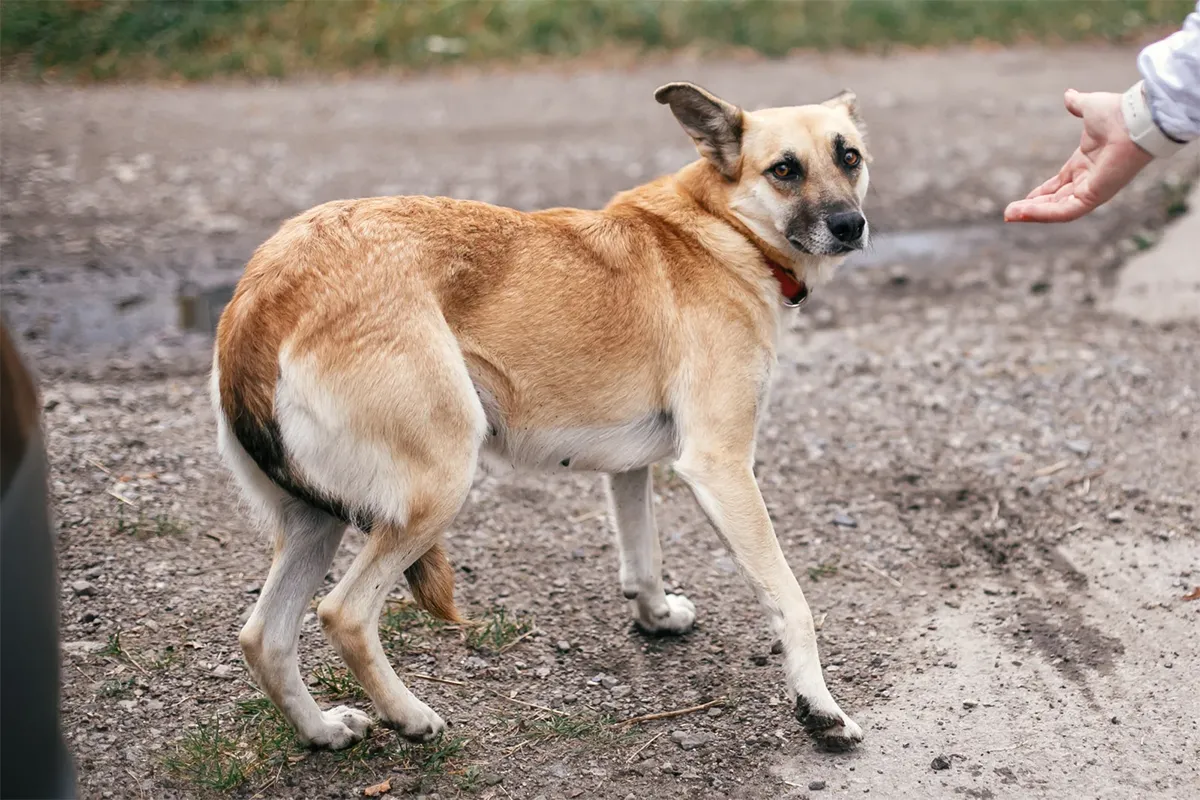
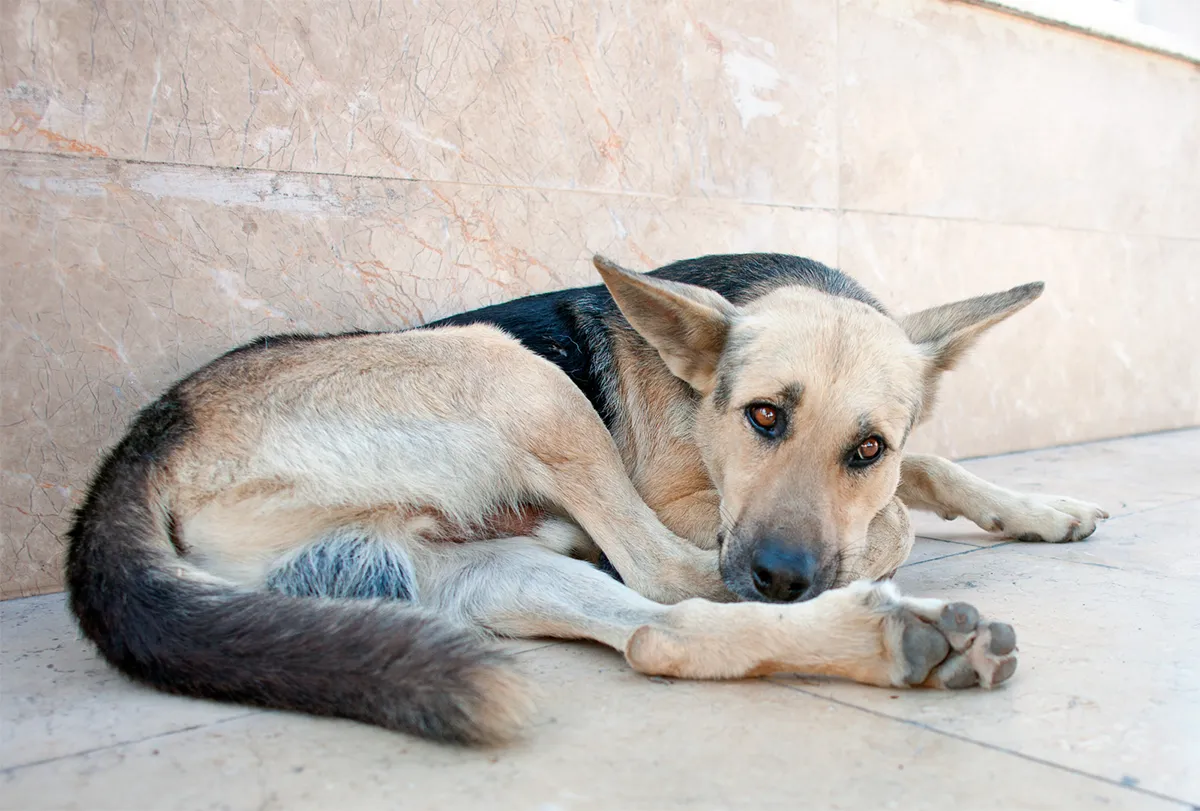
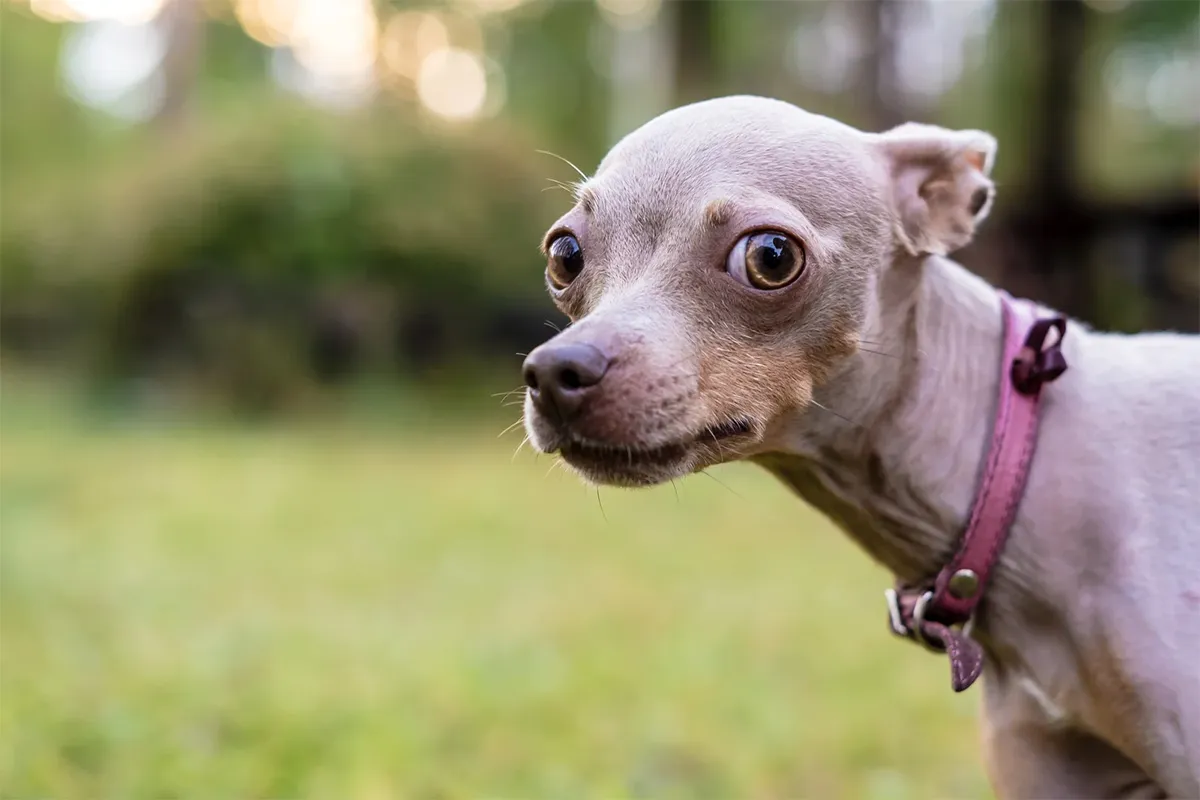
A sudden change is often a sign of pain or a health problem. Osteoarthritis, dental problems, hormonal disorders, various sources of pain: a medical cause must be ruled out first through a veterinary check-up. If no physical cause is found, a recent stressor (moving house, a new dog in the home, a change in routine) may be behind the problem.
In the vast majority of cases, yes. Rehabilitation is possible and effective, provided the cause of the aggression is correctly identified and the work is done with appropriate, kind methods. Results depend on the type of aggression, how long it has been going on, and the owners' day-to-day involvement. Some owners see significant progress from the very first sessions.
A muzzle is a safety tool, not a behavioral solution. It protects those around the dog while the rehabilitation work takes effect, but it does not treat the cause of the aggression. I guide owners through gradual muzzle habituation when one is needed, so that the dog accepts it without added stress.
Do not try to dominate, punish, shout or intimidate. Faced with a dog who is growling or stiffening, stay calm, avoid direct eye contact, and give him space. If possible, walk away calmly — but above all, don't stay put. Any head-on confrontation makes the situation worse and can trigger a bite. The real work happens outside the crisis, as part of structured support with a dog behaviorist who specializes in aggression and its management.
Yes, and it is precisely the most effective method for an aggressive dog. Punishment neurobiologically entrenches the negative emotional state and can make the reactions worse. Working with kindness, by changing the emotion associated with the triggers, produces lasting results because we treat the cause, not the symptom.
A reactive dog overreacts to a stimulus, often out of fear or frustration, with no intent to injure. Aggression involves an intent to create distance or to cause harm, through a bite or a direct threat. The distinction is essential to choosing the right support protocol.
I work in person in Walloon Brabant, Brussels and the neighboring municipalities: Waterloo, Braine-l'Alleud, Ohain, Rhode-Saint-Genèse, Auderghem, Woluwe-Saint-Pierre. Online sessions are available in Belgium and everywhere else. For severe aggression cases, only an in-person consultation is possible, in order to properly assess the environment.
A bite history does not condemn a dog. It does, however, require a precise behavior assessment: context, target, intensity, frequency. On that basis, I build an appropriate protocol, always in liaison with your veterinarian, and taking into account any applicable legal obligations if necessary.