Dog behaviorist for reactive dogs
I come to your home in Walloon Brabant and Brussels, and work online everywhere else.



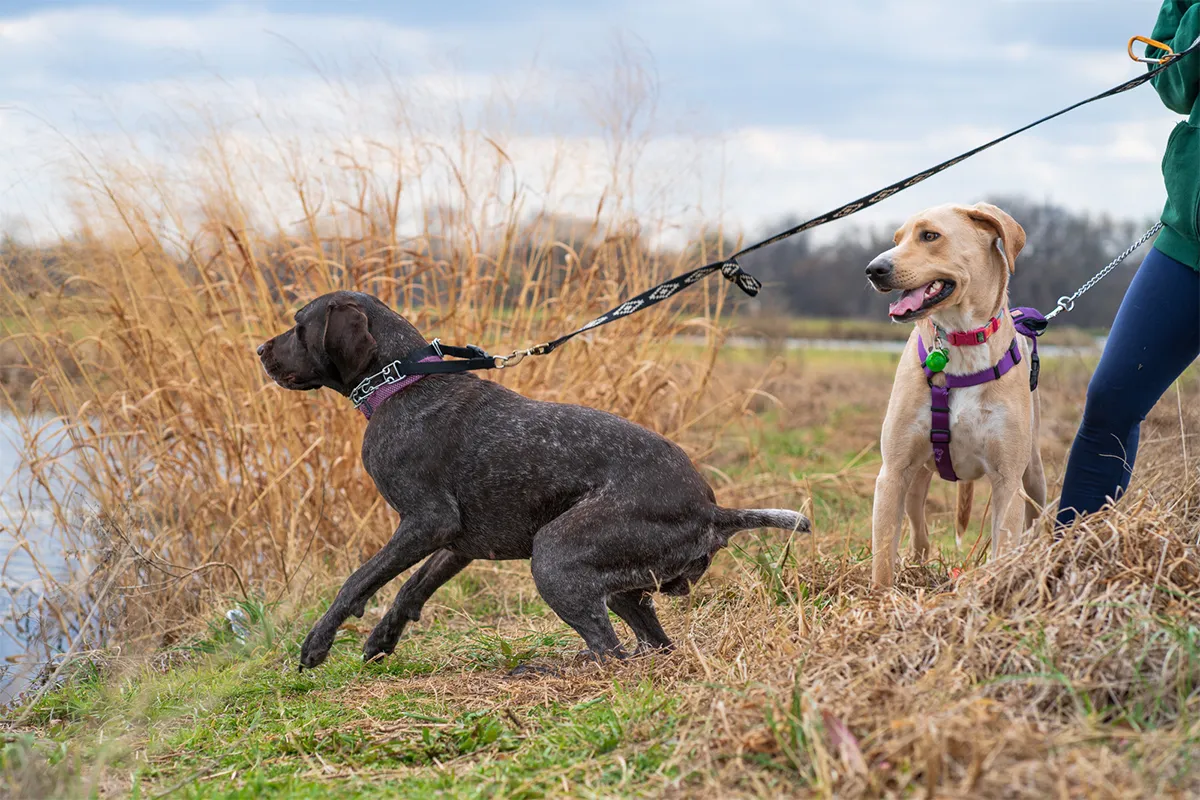
Managing a reactive dog on the leash rests on two principles: working below the reaction threshold and gradually changing the emotion associated with the stimulus. In practice, this involves desensitization exercises at a distance, redirection techniques and systematic positive reinforcement. These methods require consistency and patience, but the results last because they act on the cause, not the symptom.
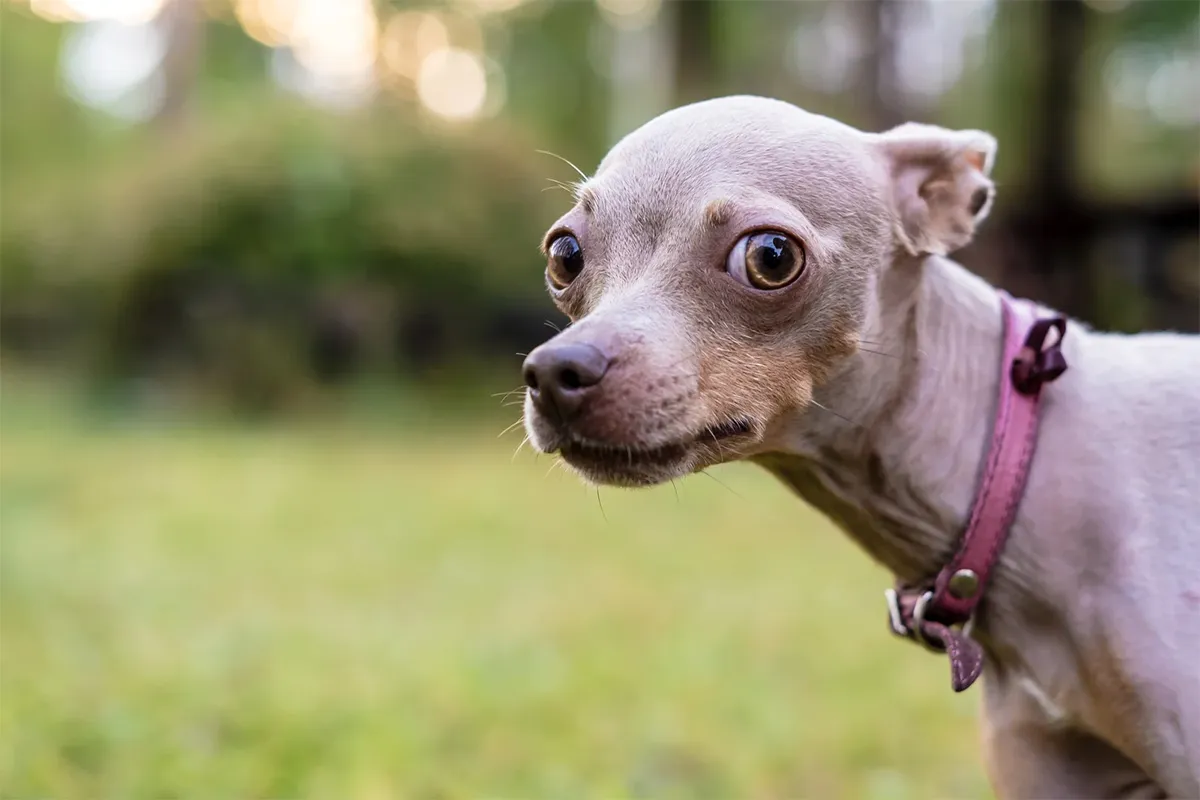
Several reasons can explain this reaction: a bad past experience, a lack of socialization with other dogs, or leash-related frustration. In every case, the stress triggered by the situation exceeds what your dog can handle on his own. Identifying the exact source is the first step, and that is exactly what the behavior assessment at your place is for.
Yes, and that is precisely where they make the difference. Positive training does not suppress the visible symptom; it addresses the underlying emotion. A highly reactive dog has often been through negative experiences that reinforced his wariness. Working with kindness, without punishment or coercion, allows him to rebuild his confidence gradually and learn new behaviors that last.
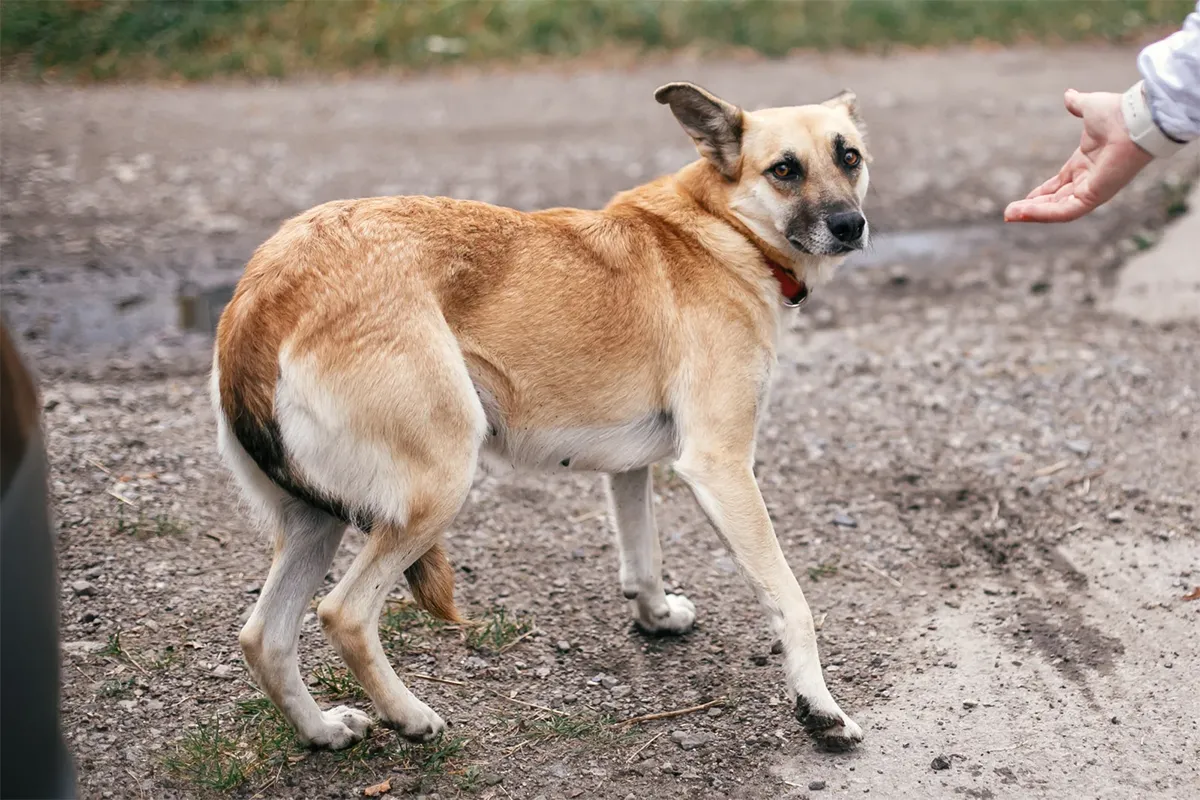
A reactive dog overreacts to a stimulus, often out of fear or frustration. Canine aggression involves an intent to injure, which is far rarer. Most dogs labeled "aggressive" are in fact reactive dogs whose warning signs were not read or respected. The distinction is essential to choosing the right support.
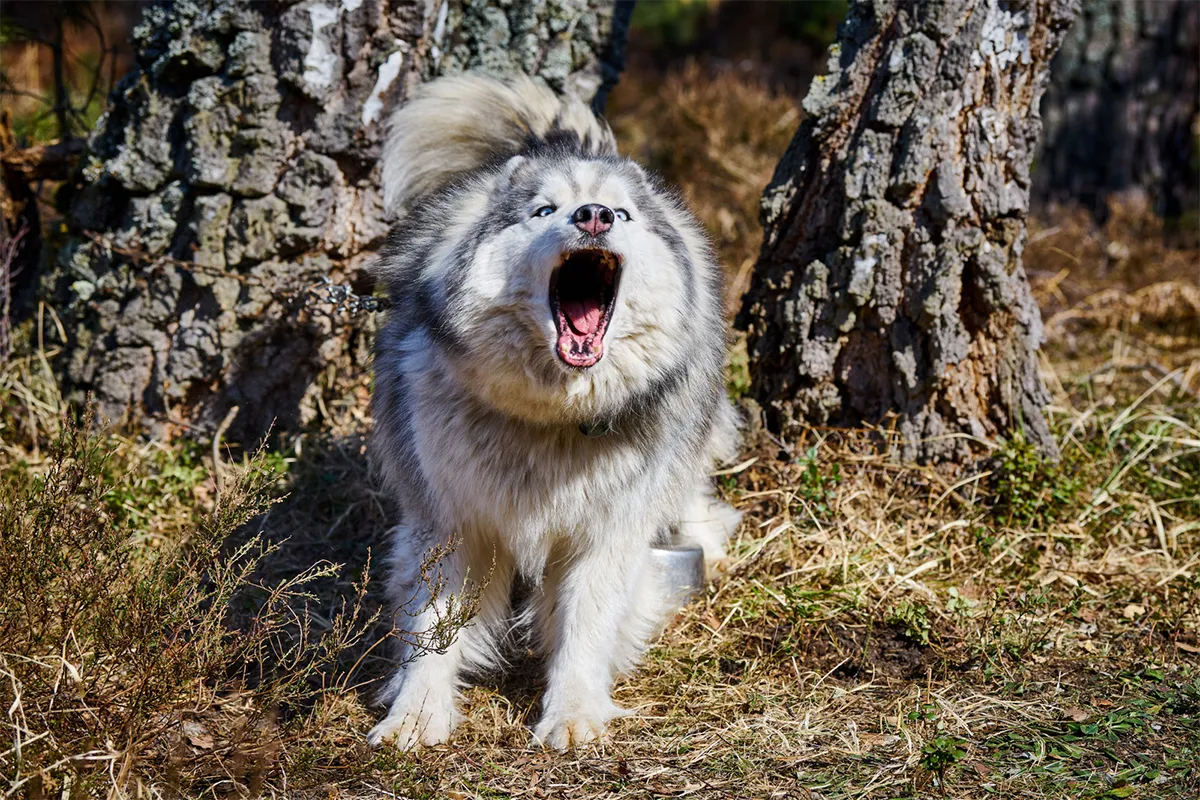
The goal is not necessarily total indifference, but teaching your dog to manage his emotions around his triggers. With an appropriate protocol, most reactive dogs manage to stay below their reaction threshold in situations that used to make them explode. It is a real transformation of everyday life, for you and for him.
Mild to moderate reactivity improves in 2 to 4 sessions. More entrenched cases, or those linked to deep anxiety, require longer follow-up. I give you a realistic estimate during the behavior assessment.
I work in person in Walloon Brabant, Brussels and the neighboring municipalities: Waterloo, Braine-l'Alleud, Ohain, Rhode-Saint-Genèse, Auderghem, Woluwe-Saint-Pierre. Online sessions are available everywhere.
What a reactive dog needs is distance and gradual habituation. In a group class, a reactive dog is exposed to stimuli that are too intense, too fast, which often makes the reactions worse instead of calming them. I strongly advise against group classes for reactive dogs.
With The Dog Nanny Academy, support is one-to-one, at your place, in the real-life setting of the problem, and progress is tailor-made.